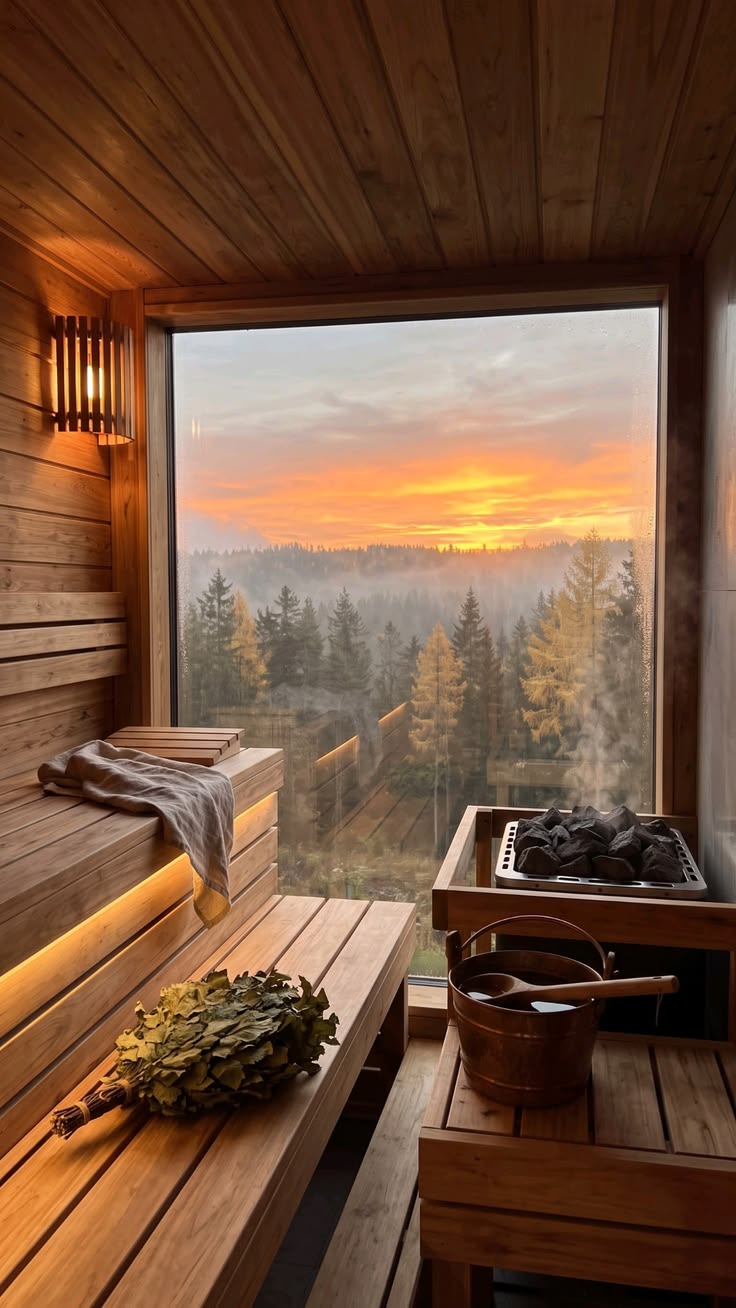
A beginner’s guide to steam, herbs and the art of sweating well
If you’ve seen “herbal sauna” on a signboard or a social media post and wondered what exactly it is, you’re not alone. It sounds soothing, a little mysterious and maybe a bit old-fashioned, and it is all of those things. This guide explains what a herbal sauna is, how it works, what to expect on your first visit, and how to enjoy it safely.
What Is a Herbal Sauna?
A herbal sauna is a heated, enclosed space where warmth and steam are combined with aromatic plants. Herbs are brewed, steeped or placed on a heat source so that their scent and vapour fill the air. You sit or recline in the warm, fragrant steam, sweat gently, and breathe in the aroma.
Think of it as a cross between a traditional steam bath and a herbal tea you can sit inside.
The herbs vary from place to place. Common choices include:
- Lemongrass: fresh, citrusy and uplifting
- Mint: cooling and crisp
- Eucalyptus: strong, clean and popular for easier-feeling breathing
- Rosemary and thyme: warm, earthy and slightly woody
- Lavender and chamomile: soft and calming
- Local medicinal and aromatic plants: many communities have their own favourites passed down through generations
A Tradition With Deep Roots
Herbal steam isn’t a passing wellness trend. Heat bathing with plants appears in cultures around the world: Finnish saunas with birch whisks, Russian and Eastern European banyas, Turkish hammams, Indian Ayurvedic steam therapies, and herbal steam practices across Africa and Asia. In many East African homes, steaming with leaves and herbs, whether for relaxation, after-birth care or when feeling under the weather, is a familiar family remedy.
Modern herbal saunas simply bring that old idea into a cleaner, more comfortable, purpose-built setting.
How Is It Different From a Regular Sauna?
The main differences come down to heat, humidity and aroma:
- Traditional dry sauna: High heat and low humidity, often heated by electric elements or hot stones.
- Steam room: Lower heat with very high humidity.
- Herbal sauna: Warm, humid air carrying the scent and vapour of herbs. Temperatures are often gentler than a classic dry sauna, which many first-timers find easier to tolerate.
Setups differ from one venue to another, so it’s worth asking how a particular sauna is heated and how long sessions typically last.
What Does It Feel Like?
Most people describe the experience in a few stages:
- Warm-up: You step in and feel the heat and fragrance wrap around you.
- Settling in: Your breathing slows, your muscles loosen and your mind starts to quiet down.
- Sweating: You begin to perspire steadily. This is normal and part of the experience.
- Cool-down: You step out, rest, rehydrate and let your body return to normal temperature.
Many people leave feeling relaxed, warm and pleasantly sleepy.
Potential Benefits
People turn to herbal saunas for several reasons. Here’s an honest look at what’s commonly reported:
- Relaxation and stress relief: Heat, quiet and pleasant aromas are a powerful combination for unwinding. This is the most consistent benefit people report.
- Muscle comfort: Warmth can ease tension after exercise, a long hike or a day of camping.
- Skin feel: Sweating and steam can leave skin feeling soft and refreshed.
- Easier breathing sensation: Aromatic steam, especially with herbs like eucalyptus and mint, can feel clearing.
- A mindful pause: In a busy week, a dedicated hour to sit, breathe and switch off has value on its own.
A note on claims: you’ll sometimes hear that saunas “detox” the body or cure illnesses. The science doesn’t support those big promises. Your liver and kidneys handle detoxification, and herbs in a sauna are mostly about aroma and comfort rather than treatment. Think of a herbal sauna as a relaxing wellness experience, not a medical therapy.
Who Should Be Careful?
Heat puts extra demand on the body. Speak with a doctor before using a sauna if you:
- Have heart or blood pressure problems
- Are pregnant
- Have a chronic illness or take regular medication
- Have sensitive skin or allergies to plants or essential oils
- Feel unwell, feverish or dehydrated
Avoid saunas after drinking alcohol, and children should only use them with adult supervision and for short sessions, if at all.
How to Enjoy Your First Herbal Sauna
- Hydrate beforehand. Drink water in the hours before you go.
- Shower first. A quick rinse is good etiquette and helps your body adjust.
- Start short. Aim for about 10 to 15 minutes at first, and leave sooner if you feel dizzy or uncomfortable.
- Listen to your body. Discomfort, lightheadedness or a racing heart means it’s time to step out.
- Cool down slowly. Rest in a comfortable spot rather than jumping straight into cold water.
- Rehydrate afterwards. Water or herbal tea works well.
- Rest. Give yourself a little time to relax before driving or heading back to a busy schedule.
What to Bring
- A towel and a change of clothes
- Flip-flops or sandals
- A water bottle
- Swimwear or a wrap, depending on the venue’s rules
- An open mind and no rush
Pairing a Herbal Sauna With a Getaway
A herbal sauna is a natural companion to a weekend away. After a day of hiking, cycling or sitting around a campfire, steam and herbal warmth are a lovely way to ease tired muscles and wind down before bed. Many people also enjoy it as a quiet reset on its own, a slow afternoon with nothing on the to-do list.
Final Thoughts
A herbal sauna is a simple idea: warmth, steam and fragrant plants combined to help you slow down. It won’t fix everything, but as a way to relax, recover and feel looked after, it’s hard to beat. Go in curious, drink plenty of water, and let the herbs do what they do best: help you breathe, soften and unwind.
Have you tried a herbal sauna? Share your experience in the comments and tell us which herbs you’d like to see more of.
Leave a Reply