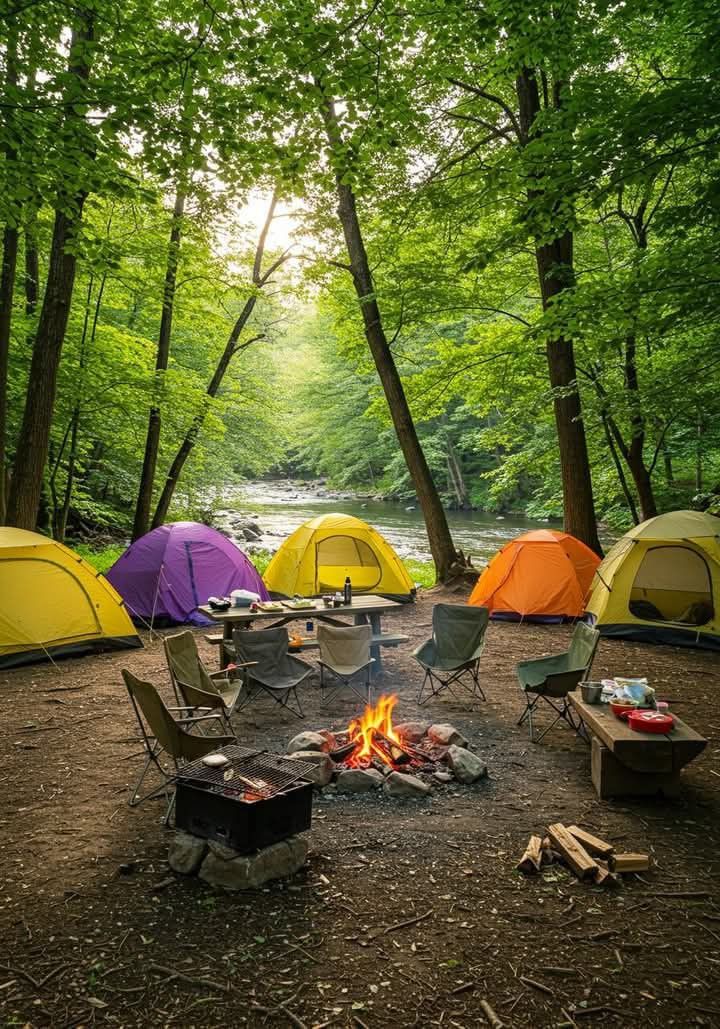
A practical guide for first-timers, families, and seasoned adventurers
Kenya is one of the best places in Africa to sleep under the stars. Within a few hours of Nairobi you can pitch a tent beside a flamingo-lined lake, at the foot of an extinct volcano, or in the middle of a wildlife conservancy where lions call after dark. With so many options, the real question isn’t where can I camp? but where should I camp?
Here is a simple framework for choosing the campsite that fits your trip.
1. Start With the Kind of Trip You Want
Before comparing destinations, be honest about what you’re after. Most camping trips in Kenya fall into one of four types:
- Wildlife and safari camping: You want game drives, big skies and animal sounds at night. Think Maasai Mara conservancies, Amboseli, Tsavo and Ol Pejeta.
- Lakeside and relaxation: You want calm water, birdlife, boat rides and a slower pace. Lake Naivasha, Lake Elementaita and Lake Baringo are popular choices.
- Hiking and adventure: You want trails, views and a bit of a challenge. Hell’s Gate, Mount Longonot, the Aberdares and Mount Kenya’s lower slopes are great for this.
- Weekend escape and wellness: You want something close to the city that lets you switch off, perhaps with a campfire, good food and a sauna or spa. Many private campsites around Nairobi, Naivasha and Kiambu cater to this.
Knowing your trip type narrows the list immediately.
2. Consider Distance and Travel Time
A beautiful campsite isn’t much fun if you spend most of your weekend in traffic. As a rough guide:
- Weekend trips (1 to 3 hours from Nairobi): Naivasha, Hell’s Gate, Mount Longonot, Ngong Hills and nearby private campsites.
- Long weekends (3 to 6 hours): Nakuru, Aberdares, Mount Kenya, Ol Pejeta and Amboseli.
- Extended trips (a week or more): Maasai Mara, Tsavo, Lake Turkana, Lake Baringo and the coast.
Also check road conditions. Some of Kenya’s most rewarding campsites need a 4×4 or a high-clearance vehicle, especially in the rainy season.
3. Check the Season
Kenya’s weather shapes your camping experience more than you might expect.
- Dry seasons (roughly January to February and June to October): Easier roads, clearer skies and better wildlife viewing, since animals gather near water. These are also the busiest and most expensive months.
- Rainy seasons (roughly March to May and November to December): Greener landscapes, fewer crowds and lower rates, but muddy tracks, flooded campsites and colder nights.
High-altitude spots such as Mount Kenya and the Aberdares get very cold at night year-round, so pack accordingly. Coastal and lowland areas like Tsavo can be hot and humid.
4. Decide How Much Comfort You Need
Camping in Kenya ranges from basic to almost luxurious. Be clear on your comfort level:
- Public campsites are the most affordable. Expect basic ablutions, little or no electricity and a bring-everything attitude.
- Private campsites often offer cleaner facilities, hot showers, firewood, power points and sometimes a restaurant or bar.
- Glamping and tented camps provide pre-pitched tents, beds and bedding. They suit anyone who wants the outdoors without hauling gear.
If you’re camping with children, older relatives or first-timers, a campsite with reliable toilets, running water and on-site food can make the difference between a great trip and a stressful one.
5. Think About Safety and Security
A good campsite should make you feel safe so you can relax. Look for:
- Fenced or guarded grounds, or a well-run conservancy with rangers
- Clear rules about wildlife, fires and quiet hours
- Good reviews that mention security and cleanliness
- Mobile network coverage, or at least a plan for emergencies
In wildlife areas, never leave food in or around your tent, and always follow the campsite’s guidance on animal encounters. Let someone know your itinerary before you head out.
6. Match Your Budget Realistically
Costs add up quickly. Budget for more than the nightly camping fee:
- Park or conservancy entry fees (often charged per person and per vehicle, with different rates for residents and non-residents)
- Fuel and transport
- Activity fees such as game drives, guided walks, boat rides or cycling
- Food, firewood and gear hire
Prices change often, so confirm current rates directly with the campsite or park before you book.
7. Look at the Extras That Make a Trip Memorable
The best campsites usually offer something beyond a flat patch of grass. Ask what’s on site or nearby:
- Guided nature or bird walks
- Campfire areas and stargazing spots
- Restaurants, bars or barbecue facilities
- Wellness options such as saunas or massages
- Activities for kids and groups
These extras are often what turn a simple overnight stay into a story you’ll tell for years.
Quick Picks by Traveller Type
- First-time campers: Naivasha or a private campsite near Nairobi, with easy access and good facilities.
- Families: Lake Naivasha and Hell’s Gate, where cycling, boat rides and gentle walks keep everyone busy.
- Wildlife lovers: Maasai Mara conservancies, Amboseli or Ol Pejeta.
- Hikers: Mount Longonot, the Aberdares or Mount Kenya’s lower routes.
- Groups and team retreats: Private campsites that offer accommodation, catering and group activities.
A Simple Pre-Booking Checklist
- What kind of experience do I want: wildlife, hiking, relaxing or a social weekend?
- How far am I willing to travel?
- Which season am I going, and is the road passable?
- What level of comfort do I need?
- Is the campsite secure, well reviewed and clear about its rules?
- What is the total cost, including fees and activities?
- Have I booked ahead, especially for weekends and holidays?
Final Thoughts
The best campsite in Kenya isn’t a single place. It’s the one that matches your time, budget, comfort level and sense of adventure. Start with the experience you want, work out the logistics, and choose a spot that makes you excited to unzip the tent in the morning.
Wherever you end up, pack warm layers, respect the wildlife and the land, and leave no trace. Kenya’s wild places are worth protecting, and they’ll reward you every time you return.
Ready to plan your next trip? Share your favourite Kenyan campsite in the comments and tell us what made it special.
Leave a Reply